- Multi-room 70V/100V jobs with standardized taps that still need field verification
- Retrofits with limited above-ceiling access
- Mixed room sizes where taps vary, but the process stays consistent
May 5, 2026
5 Install Details That Save You Hours on a Speaker Rollout
About the author:

Travis Cawthorne
Director of Products & Training, Kramer Americas
Most speaker rollouts do not blow up because someone chose the wrong speaker. They blow up because the install turns into a hundred micro-decisions, repeated room after room, ladder trip after ladder trip.
If you are standardizing across conference rooms, corridors, open ceilings, and outdoor spill zones, the biggest time savings usually come from the unglamorous stuff: the details that reduce touches, reduce mistakes, and keep the crew moving.
Below are five install details that consistently save time on real jobs, with examples from the Kramer models you have been standardizing around.
Note: features vary by model. The goal of the CL, WM, AW, and PN families is repeatable install and repeatable commissioning across room types.
1) Room-side tap access, avoid ceiling reopens

Anything that keeps adjustments on the room side is a win. Room-side tap access cuts the late-stage pain: tap changes after ceilings close, last-minute level tweaks, and “we should have planned that earlier” fixes that ripple across dozens of rooms.
Where it pays off most
Kramer examples
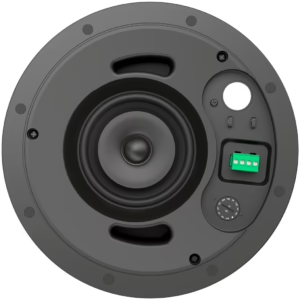
Passive ceiling standards like CL-6P-LP are built for tight plenums and repeatable installs, where keeping decisions consistent at trim-out matters.
Dante ceiling endpoints like CL-6D / CL-8D support the same “repeat it room after room” mindset when ceilings are part of a networked deployment.
What to standardize
Tap settings by room profile and a simple labeling convention.
2) Magnetic grilles and common finishes, keep trim-out fast
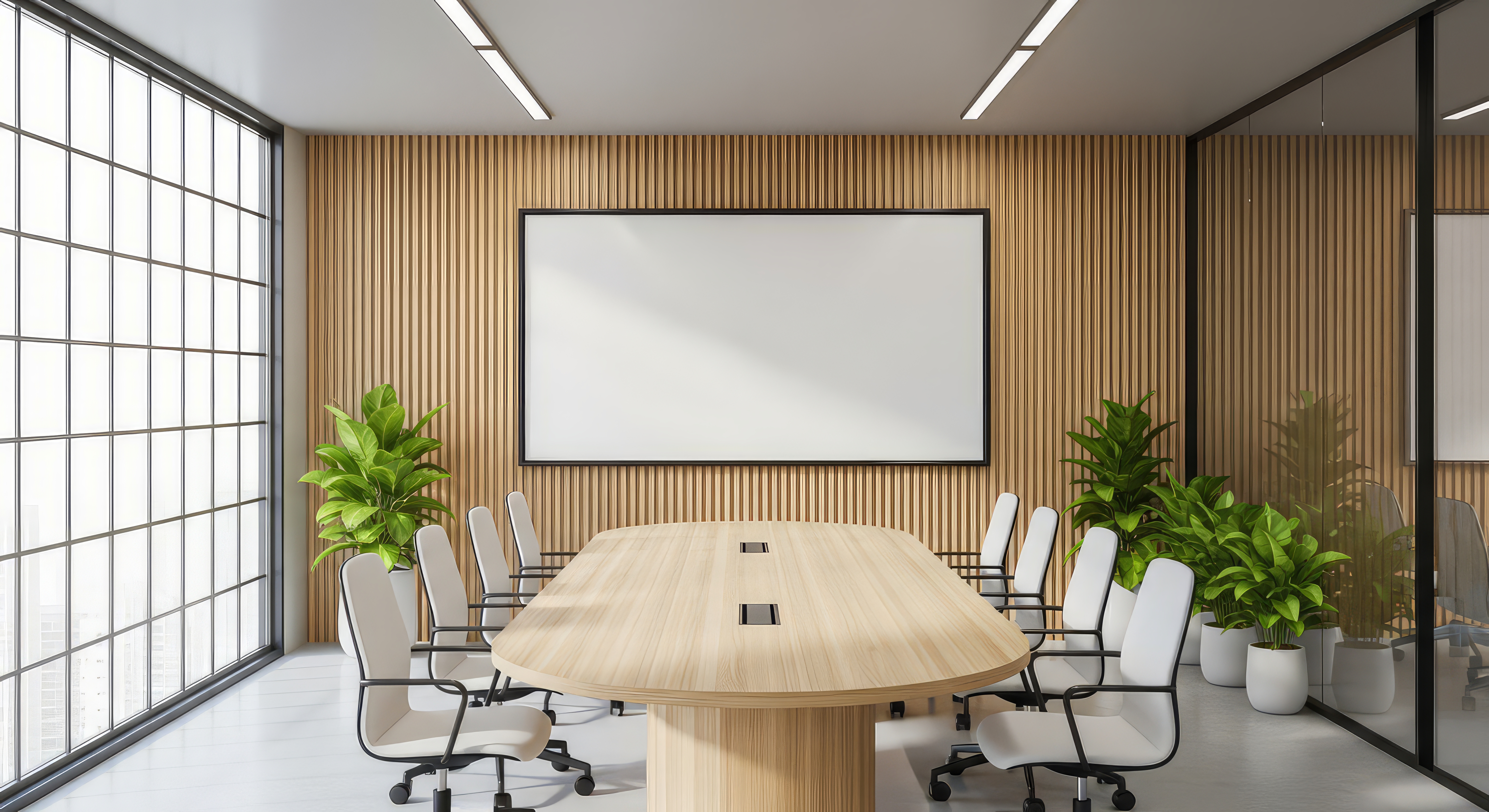
Trim-out is where schedules slip. Magnetic grilles that come in black and white, and are paintable, reduce fiddly hardware and speed finish work. Common finish options reduce scramble when ceiling color, lighting, or design direction shifts late.
Where it pays off most
- Fast-turn conference rooms and classrooms
- Multi-site rollouts with inconsistent ceiling colors and lighting conditions
- Any job where aesthetics matter but delays are not acceptable
Kramer examples
Across the standard families, the goal is a consistent finished look whether you are in ceiling, on wall, outdoors, or hanging pendants.
What to standardize
A default finish and a short exceptions list.

3) Shared cutouts and accessory consistency, rough-in stops biting you later
The fastest rollout is the one with the fewest variables. Shared cutouts and consistent accessories reduce wrong holes, wrong kits, and “rough-in happened weeks ago” surprises when device selection shifts. One concrete example: when your ceiling standard uses the same cutout template across rooms, the GC is not guessing during rough-in, even if the topology shifts later.
Where it pays off most
- Multiple room types and multiple trades touching ceilings
- Early rough-in with real-world substitutions
- “Same family, different room” standardization programs
Kramer examples
Keeping a consistent ceiling approach, for example CL-6P-LP in passive rooms and CL-6D in Dante rooms, helps the physical standard stay stable while the topology changes by room profile.
The CL-6P-LP and CL-6D share the same ceiling cutout, which makes it easier to standardize the template and keep installs repeatable across room types.
What to standardize
The cutout template and the accessory kit by family.
4) Repeatable wall mounting,
brackets that eliminate improvisation
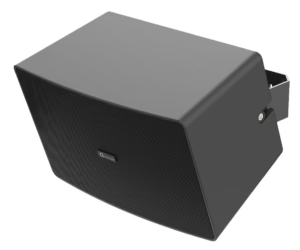
Wall installs lose time when placement becomes a mini custom project. A strong bracket approach makes placement repeatable and reduces the “hold it here while I mark it” chaos across long room lists. The win is not only speed, it is aiming consistency. Repeatable tilt and a consistent locking method prevent the “every room is aimed slightly differently” problem that shows up later in complaints and callbacks.
Where it pays off most
- Open ceilings where pendants are not always the answer
- Retrofits where ceiling cuts are off the table
- Multipurpose rooms where wall placement is the cleanest path
- When aesthetics matter as much as coverage – recessed mounting keeps the wall look sleek and uncluttered.
Kramer examples
WM-6D / WM-8D are designed for rooms with limited ceiling access, where a predictable wall-mount approach matters as much as the speaker choice.
What to standardize
Mounting height, aiming guideline, and a consistent safety approach.
5) Standardize the special spaces, outdoor and open-ceiling without drama
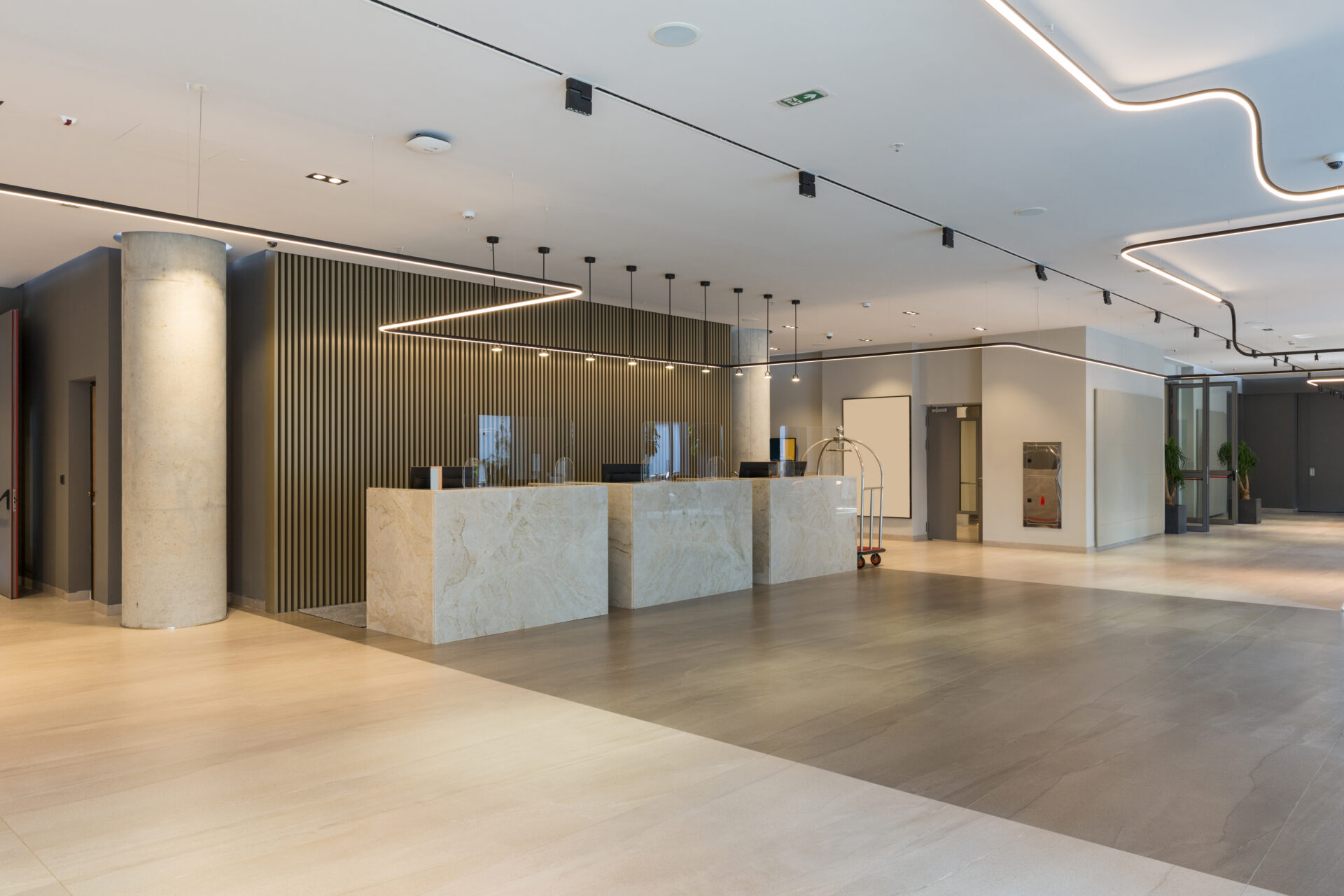
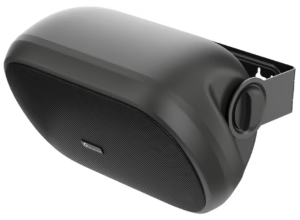
Outdoors and open ceilings blow up rollouts when they get treated as exceptions with one-off hardware and last-minute decisions. The cure is making them just as repeatable as conference rooms. Outdoors: all-weather wall mounted speakers reduce touches and remove improvisation
Where it pays off most
- Patios, entryways, spill zones, indoor-outdoor transitions
- Anywhere callbacks for loose mounts or exposure are unacceptable
Kramer examples
AW-6D / AW-8D are designed for outdoor and transition areas, with IP66-rated protection and outdoor mounting hardware plus a toolless bracket approach that helps keep outdoor work consistent across sites.
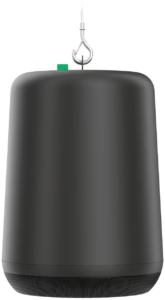
PN-6D is the pendant Dante option designed for open ceilings, and the included cable kit is the point. It speeds the hang, keeps the approach consistent across installs, and aligns with the same commissioning pattern as other Dante endpoints.
What to standardize
A pendant hang method.
Putting it into a rollout standard
The fastest teams are not the ones who memorize more specs. They are the ones who remove decision points.
A practical standardization stack that keeps installs consistent across real commercial spaces looks like this:
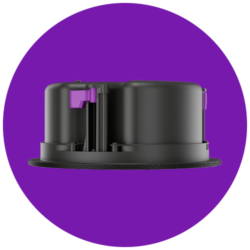
CL-6P-LP
for low-profile passive ceiling rooms, especially retrofits and tight plenums
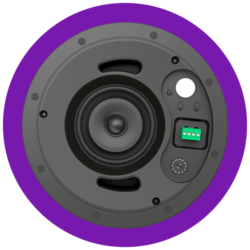
CL-6D / CL-8D
for Dante ceiling rooms
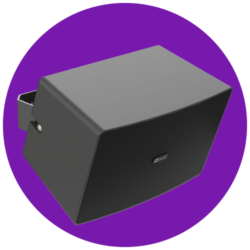
WM-6D / WM-8D
when ceiling access is limited and wall placement is the cleanest install

PN-6D
to make open ceilings repeatable and fast
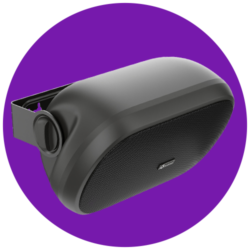
AW-6D / AW-8D
to keep outdoor and transition zones from becoming one-off installs
When install details are consistent, everything downstream gets easier too: fewer rough-in errors, faster trim-out, smoother commissioning, and fewer callbacks