February 3, 2026

Kramer Unveils Unified AVoIP Portfolio at ISE 2026, Expanding Choice Across 1G and 10G

Kramer, the leading company in audio-visual experiences, today announced it will showcase its most comprehensive and unified AVoIP portfolio at ISE 2026, following the successful integration of ZeeVee. The expanded portfolio delivers unmatched choice, interoperability, and performance across 1G and 10G AVoIP environments, enabling integrators and end users to design, deploy, and manage modern AV systems with greater flexibility, consistency, and operational efficiency.

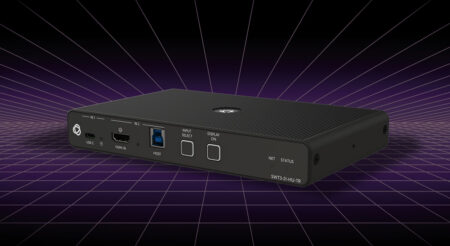
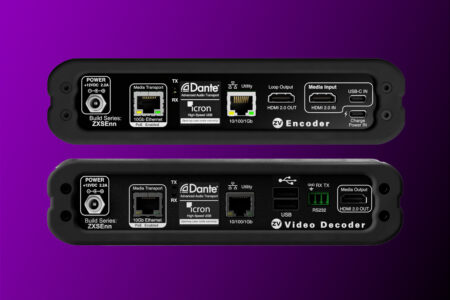
At the center of Kramer’s ISE 2026 presence is the introduction of ZyPer4K-XSE, the next generation of low-power, uncompressed 10G SDVoE encoders and decoders. Designed for demanding applications such as large-scale displays, gaming, stadiums, and maritime environments, the ZyPer4K-XSE combines reduced power consumption with advanced capabilities including Dante audio, USB-C connectivity, HDMI loop-out, ICRON USB extension, and RS-232 support. Managed through the ZyPer Management Platform (ZMP), ZyPer4K-XSE enables fast deployment, centralized configuration, real-time monitoring, and long-term operational reliability.

Centralized 1G Management with AVoIP Manager

In the 1G domain, Kramer continues to strengthen its unified approach with centralized management and seamless interoperability. The company’s AVoIP Manager provides a single platform, available both on-cloud and on-premises, for managing the entire 1G AVoIP lineup, including KDS-100, KDS-7, KDS-17, and ZUHD60. This unified management layer simplifies system design, accelerates installation, and reduces operational complexity across enterprise-scale deployments.

Unified USB-C Connectivity Across the Entire AVoIP Portfolio

Kramer has also standardized USB-C connectivity across its AVoIP portfolio, spanning both 1G and 10G solutions. By implementing USB-C consistently across key product families, Kramer enables unified workflows, simplified system architectures, and seamless interoperability in mixed-network environments – supporting modern BYOD and UCC use cases without added complexity.

End-to-End Dante Audio Built by Kramer

Another key highlight at ISE 2026 is Kramer’s end-to-end Dante audio ecosystem. Built entirely by Kramer, the solution delivers a complete audio-over-IP signal chain – from microphones and sources through AVoIP transmitters and receivers to amplifiers and Dante-enabled speakers. With native Dante support embedded across the AVoIP portfolio, Kramer transforms video endpoints into integral components of the audio ecosystem, enabling fully managed, scalable AV and audio deployments for enterprise, education, and large-scale venues.

“With a unified portfolio that spans 1G, 10G, video, USB, and audio-over-IP, Kramer is enabling AV systems that are simpler to deploy, easier to manage, and ready to scale,” said Dorit Bitter, EVP Product and Technology. “At ISE 2026, we’re demonstrating how true interoperability and standardization translate into real-world value for integrators and customers alike.”

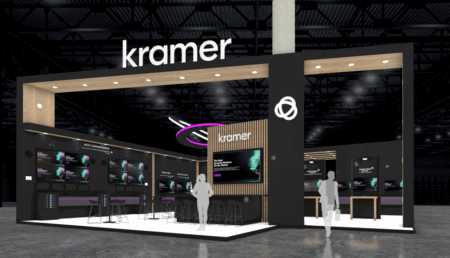
Kramer will present its full AVoIP portfolio at ISE 2026, inviting visitors to experience the solutions firsthand at booth 3D500.

About Kramer

Kramer audio-visual experiences power creativity, collaboration, and engagement. From AVSM to advanced cloud-based communication, collaboration and control solutions, Kramer creates audio-visual experiences that are more engaging, more inclusive, and more connected than ever before.

Headquartered in the heart of Startup Nation – Tel Aviv, Israel with locations around the world, Kramer’s audio-visual experts are designing the future of engagement technology. Physical and digital boundaries have blurred. But no matter how hybrid our world becomes, our desire for real, human connection will never cease.

Kramer’s intuitive, seamless technology breaks down walls, bridges gaps, and makes people feel closer together even when they’re far apart.

kramerav.com  

Contact details 

Bees Buzz Public Relations Ltd (44) 1728 768118

beesbuzzpr.com

About the author:

Art Weeks
Art Weeks

Product manager | ZeeVee

Power isn’t just a number on a spec sheet; it determines product fit over a five-year lifecycle. This article shows how Kramer’s ZyPer4K stacks up by comparing per-endpoint energy use for common AVoIP encoders/decoders and rolling it into a 5-year electricity cost. We focus on the device at the edge – the thing you actually multiply across rooms, because that’s where operating expense, heat, and sustainability targets add up.

ZyPer4K composes multiview and LED
odd-resolution canvases at the endpoint,

eliminating external windowing processors

that add watts, boxes, and failure points.

Zyper4K

Where competitors need extra hardware to match those features, we call it out to keep the comparison fair. All numbers use vendor-published watts, a 24×7 baseline, and a transparent formula you can rerun with your local electricity rate.

Basic Power Data

Published Power Usage*

Power (Watts)BTU/hv
Kramer ZyPer4K-XSE1344
Crestron NVX-38435119
Q-SYS NV-32-H40137
*Source: ZyPer4K User Manual, Crestron website. (July 2025),
Q-SYS NV-32-H Datasheet (Jan 2024)

Why ZyPer4K Draws Less: ASIC vs. FPGA

ZyPer4K’s lower watts aren’t a happy accident; they start at the chip. ZyPer4K uses an ASIC (application-specific integrated circuit) purpose-built silicon that’s smaller and more efficient, so endpoints draw less power and run cooler. Some competitors (e.g., Crestron NVX-384) use FPGAs (field-programmable gate arrays). FPGAs can be reconfigured to add features over time, but that flexibility typically comes with higher power, more heat, and a larger, more expensive device.

If you prioritize efficiency, density, and predictable OpEx, the ASIC path wins. If you need field-reconfigurable features, FPGA offers flexibility. Budget for the power and thermal overhead.

FactorASIC (ZyPer4K)FPGA (e.g., Crestron NVX)
Power & heatLower power, cooler operationHigher power, hotter operation
Size/densitySmaller footprint, higher densityLarger footprint
Unit costLower at scaleHigher (device + support
UpgradabilityFixed in silicon (firmware refines, doesn’t add major hardware features)Feature-add capable via bitstream updates

What Lower Watts Mean in the Real World

ASIC-based endpoints:

lower power, less heat, smaller footprint, and lower unit cost

at scale vs FPGA-based alternatives.

With the silicon story in mind, here’s how lower watts show up in daily operation.

Less power in = less heat out

ZyPer4K’s lower published watts translate directly to lower BTU/h per endpoint. That means cooler racks and cabinets, quieter installs, and more thermal headroom before cooling becomes a constraint.

Endpoint composition eliminates “hidden watts”

The chart reflects endpoint devices only. ZyPer4K composes multiview and odd-resolution LED canvases at the endpoint, so there’s no external windowing processor stack to power and cool. Competing designs that need extra processors will draw additional power not shown here.

PoE-first, fanless hardware keeps overhead down

ZyPer4K endpoints are designed for PoE deployment and fanless operation. Fewer wall-warts and moving parts means less e-waste, less noise, and greater long-term reliability.

Scale without surprise

Because the values are per device, you can multiply ZyPer4K’s lower draw across rooms, floors, or venues to understand the operational impact. Lower watts per endpoint compound into cooler racks and simpler power budgets.

Electrical Power Use Over 5-Year Lifespan

Power (Kilowatt Hours)
Kramer ZyPer4K-XSE569.4
Crestron NVX-3841533.0
Q-SYS NV-32-H1752.0

This chart converts vendor-published typical watts into five-year energy use at 24×7. Using the same formula for each device (kWh = Watts × 43,800 ÷ 1000), ZyPer4K-XSE comes in at 569.4 kWh, versus 1,533.0 kWh for Crestron NVX-384 and 1,752.0 kWh for Q-SYS NV-32-H.

ZyPer4K uses about

one-third the energy

of those alternatives at the endpoint.

Why it matters: Lower energy in means less heat out, smaller power/UPS budgets, and easier sustainability reporting, especially when you multiply endpoints across rooms. And because ZyPer4K composes multiview and odd-resolution LED canvases at the endpoint, it doesn’t need external windowing processors that would add additional energy not reflected in this endpoint-only chart.

Lifespan Electrical Cost Per Unit

Kramer ZyPer4K-XSE$74.02€113.88
Crestron NVX-384$199.29€306.60
Q-SYS NV-32-H$227.75€350.40

In a 100-endpoint deployment,

ZyPer4K saves ≈ $12,500

in energy over five years (US rates)

Why this favors ZyPer4K

~63% lower vs Crestron NVX-384 and ~68% lower vs Q-SYS NV-32-H per endpoint.

Lower watts → lower BTU/h, easing rack cooling and UPS sizing.

Endpoint composition (multiview + odd-res LED at the decoder) means no external windowing processors drawing extra power.

Note: Percent differences are currency-agnostic. If you change the rate, the dollars/euros change, but ZyPer4K’s lead holds.
For quick localization: Cost = kWh × your rate.

Why ZyPer4k Is the Lower-Impact Choice

Fewer Boxes, Less Waste.

ZyPer4K composes multiview and LED canvases at the endpoint – no external windowing processors so there’s less gear to ship, power, cool, and eventually recycle.

PoE-First, Not Brick-First.

ZyPer4K endpoints support Power over Ethernet. External power supplies are not required. This simplifies the overall system design.

Fanless Where It Matters.

ZyPer4K-XSE endpoints are fanless to reduce noise pollution and improve long-term reliability – fewer moving parts, fewer failures, less landfill.

Smart Idle Behavior.

Decoders drop to low-power when no video is active, enabling connected displays to enter their own energy-saving modes.

Fix It From The Chair, Not The Truck.

With ZyPer Management Platform (ZMP), automated alerts and remote diagnostics resolve many issues off-site, reducing service miles and emissions.

Built-In Consolidation.

One platform covers video walls, multiview, LED odd-resolution canvasing, KVM, and USB camera ingest for Teams/Zoom rooms, minimizing ancillary hardware.

Paperless And Compliant.

Digital documentation only; all Kramer products (including ZyPer4K) meet current RoHS directives.

Right-Sized Packaging.

Minimal, recyclable packaging to reduce shipping volume and waste.

About the author:

Art Weeks
Art Weeks

Product manager | ZeeVee

What’s the difference between multiview and a video wall? Multiview puts multiple sources composited on one display or LED canvas. A video wall is multiple displays acting as one big canvas. You can run multiview on a video wall, but each solves different problems. From sports bars to stadiums to control rooms, campuses, retail walls, esports, stages and more – the win isn’t more screens, it’s better layouts. This quick list is your gut-check for when one canvas has to do many jobs.

1. Custom Sized Multiview For Custom Walls

LED canvases aren’t always 16:9. Design from the actual pixel map. Multiview platforms that drive custom resolutions natively keep type crisp and layouts true on 21:9, 32:9, and odd-pitch DV-LED.

2. Max Sources For Max Options

How many windows do you need at once – today and on your busiest day? Some platforms support up to 19 sources on a single canvas. If that matters, make capacity and readability part of the spec and test at full load on the actual screen. Other technologies top out at 4-6 sources and may require additional hardware.

3. 10 Gb When Motion Matters

Compressed 1 Gb networks can lower switch costs; 10 Gb, uncompressed, paths tend to preserve motion detail and reduce delay. Decide with math: screen size, viewing distance, frame rate, motion detail, and how many tiles you’ll composite.

4. Latency That’s Not Laggy

Side-by-side motion exposes delay in a way spec sheets don’t. Put two live feeds next to each other and you’ll feel any delay instantly.

5. Ready. Set. Go. Preset Layouts

Stop building from scratch. Start with built-in presets – grids, L-wraps, 2 over 1, and more – then drop in sources. Positions stay consistent and changes feel instant. Some products include a preset library of layouts of up to 10 so you’re productive on day one.

6. Design With Layers For Customized Looks

Use background and overlay layers to tailor the look – picture-in-picture, frames, and clean spacing – without extra hardware. When you need more than a grid, choose platforms with a design layer and floating windows so L-wraps, tickers, ultrawide side-by-side, and similar looks are standard.

7. Drag & Drop Convenience

Look for platforms that allow you to build layouts by simply dragging video sources onto tiles.

9. Network Switch Agnostic

Choose a platform with a proven track record across complex, mixed-switch environments. Look for clear design guides, configure multicast with ease, and tools that make setup and troubleshooting straightforward.

10. A Partner That Does The Heavy Lifting

Pick a product from a manufacturer that gets involved early with both AV and the network. From design to implementation, the right manufacturer (and integrator) maps signal flow, switches, plans VLAN/multicast plans and shapes the canvas, builds presets, tests with your actual feeds, trains the team, and validates stability.

Max sources for max options:

Up to 19 sources on one display (quads, picture-in-picture, mosaics, or background + floating tiles)

4K60 picture, real-time recall:

Works over standard 10Gb and recalls presets in under a second for that “it just works” feel.

Resolution-first:

DV-LED friendly handling of non-standard pixel maps at the edge

Operator simplicity:

Zyper Management Platform (ZMP) simplifies control: drag-and-drop rectangle layouts, preset library and clear, easy labels.

IT-ready control:

ZMP auto-discovery, roles, redundancy, diagnostics

Ready for the room you have:

Kramer Control, Crestron, Extron, Q-SYS and custom control integrations

Secure by design:

AES-128 transport and 802.1X-compatible environments

About the author:

Travis Cawthorne
Travis Cawthorne

Director of Products & Training, Kramer Americas

The use of AV over IP (AVoIP) on 1Gb networks and 10Gb Software Defined Video over Ethernet (SDVoE) networks are gaining substantial traction as means of signal distribution across a broad range of industries and applications. This is due to their high performance, near zero latency, scalability and flexibility – chief among many other attributes.

However, once integrators and their customers decide on specifying these technologies, there are a number of considerations to ensure that proposed systems will live up to all parties’ expectations and real-life use.

In this article, Travis Cawthorne, Director of Products & Training, Kramer, provides some of the key questions integrators should be asking their clients as they prepare to design and deploy AV systems.

1. What are the operational and business impacts of potential system disruptions?

Understanding the criticality of the AVoIP application is the foundational step in the specification process. The implications of system failure vary dramatically depending on the context, directly influencing the necessary levels of performance, reliability and redundancy.

Mission critical applications, such as command center surveillance and medical imaging rely on AVoIP to deliver flawless operation. These environments demand near zero latency to facilitate real-time decision-making and accurate color representation for precise visual interpretation. Any disruption can have severe consequences, potentially jeopardizing lives, safety protocols, security or operational effectiveness. In these scenarios, the cost of failure far outweighs the investment in robust, redundant systems. Integrators must understand the specific operational workflows to design resilient architectures to make sure there are no performance disruptions that may put lives and property at risk.

Conversely, in non-mission-critical applications, such as digital signage networks, corporate lobbies or entertainment venues, the impacts of system disruptions, while still undesirable, are typically less severe.

2. What are the bandwidth and performance needs of your video and audio?

Like so many of the options integrators and their customers will need to address, bandwidth and performance demands fully depend on the intended application. Simple distribution of TV signals or signage to screens in a restaurant or college campus may be well handled by a 1Gb network.

However, for applications requiring high bandwidth and minimal latency, such as uncompressed 4K video in live event productions or interactive training simulations, a 10Gb infrastructure is typically essential to ensure smooth, high-quality performance.

Understanding the specific content and performance requirements of each application will determine the necessary network infrastructure.

3. Is it necessary, or preferred, to create a dedicated AV network?

It is not always necessary to create a dedicated AV network for an AVoIP system. However, it is recommended in scenarios where network security is critical and where the customer does not want their AV and IT operations bumping into each other.

4. What are the anticipated future growth and scalability requirements?

Regardless of uncertainty about this during the design phase, the reality is that successful system installations may very well need (or want) to expand in the future. AVoIP and SDVoE solutions help future-proof a client’s investment.

Both can easily scale to the number of inputs and outputs needed without requiring extensive and costly replacements of hardware such as in legacy type matrix switches.

5. Will the AVoIP system need to manage video walls or multiview displays?

Not all AVoIP and SDVoE solutions are created equal. It is important to explore the capabilities of the encoders and decoders, as well as their management and control systems, to make sure they not only have these capabilities, but that the customer is comfortable with how they work.

6. Does your client have a preference for how they will operate and manage their AVoIP system?

Understanding the user experience is paramount. Consider the different user profiles (e.g., end-users vs. AV professional) and their comfort levels with technology. Will they rely on touch panels, mobile devices, dedicated control systems or a centralized management platform? Ease of use, accessibility and the frequency of adjustments will dictate the most suitable control solution.

7. What is the preferred approach for sourcing AVoIP components: a single vendor for streamlined integration or best-of-breed products from various manufacturers?

This decision involves weighing the convenience and potentially simplified support of a single-vendor solution against the flexibility and potentially superior features or pricing offered by selecting components from different manufacturers.

8. Is Trade Agreements Act (TAA) compliance a requirement for this project?

If the customer is a government agency, the answer is decidedly yes. However, there may be other customers who are intent on having products made in the U.S. or a designated country for security concerns or simply by preference. This is obviously very important to find out in the early stages of specifying a system.

9. What are the maximum distances required for signal transmission in this AVoIP system?

Transmission distance is a key factor in determining the appropriate cabling infrastructure. For runs up to 100-meters, quality Category (Cat6/Cat6a) cables may be deployed as they are relatively inexpensive, durable and widely available. For longer distances, you will want to go with fiber cables that are more expensive but can carry higher bandwidth content further and faster with no signal-disrupting electromagnetic interference (EMI).

10. What is the full slate of technologies and features that will need to be integrated with the AVoIP system?

You need to consider all third-party technologies, such as Dante or AES67 audio, as well as peripheral components, including USB cameras, when specifying an AVoIP system to ensure each is compatible and will work well together. You’ll also want to verify that any custom inputs/displays/ resolutions, such as 21:9 ratio or 32:9 ratio ultrawide, are factored into the system design.

By asking these seemingly simple questions upfront, you and your client will be in a better position to explore their vision and unspoken needs for their proposed system – early enough when the specs are fluid so that changes can be made to avert costly omissions, installation headaches, cost overruns and system limitations. Happy designing!

ORLANDO, June 10, 2025 — Kramer, the leading company in audio-visual experiences, brings its unified portfolio of pro AV products and solutions that span multiple domains and extend the possibilities of AV technology to InfoComm 2025.


Visitors to the company’s InfoComm booth (#4743) can view and experience the wide range of the company’s end-to-end solutions – from those for AV signal management to integrated conference rooms and beyond – and participate in demonstrations of several featured products, which include:

MTX3-88-PR Pro All-In-One Matrix: This single-box, all-in-one pro matrix is rack-efficient and reduces installation complexity, required cabling and potential points of failure. It offers high-performance video processing and fast-switching scaling capabilities that are well-suited for AV needs in enterprise, education and government settings and is ideal for sharing local and remote content and multi-view presentations with:

  • Eight HDMI inputs with two optional USB-C ports on the first two inputs supporting MST (Multi-Stream-Transport);
  • Eight interchangeable HDBaseT 3.0 input or output ports; and
  • Eight HDMI outputs.

You can learn more about the MTX3-88-PR Pro here.

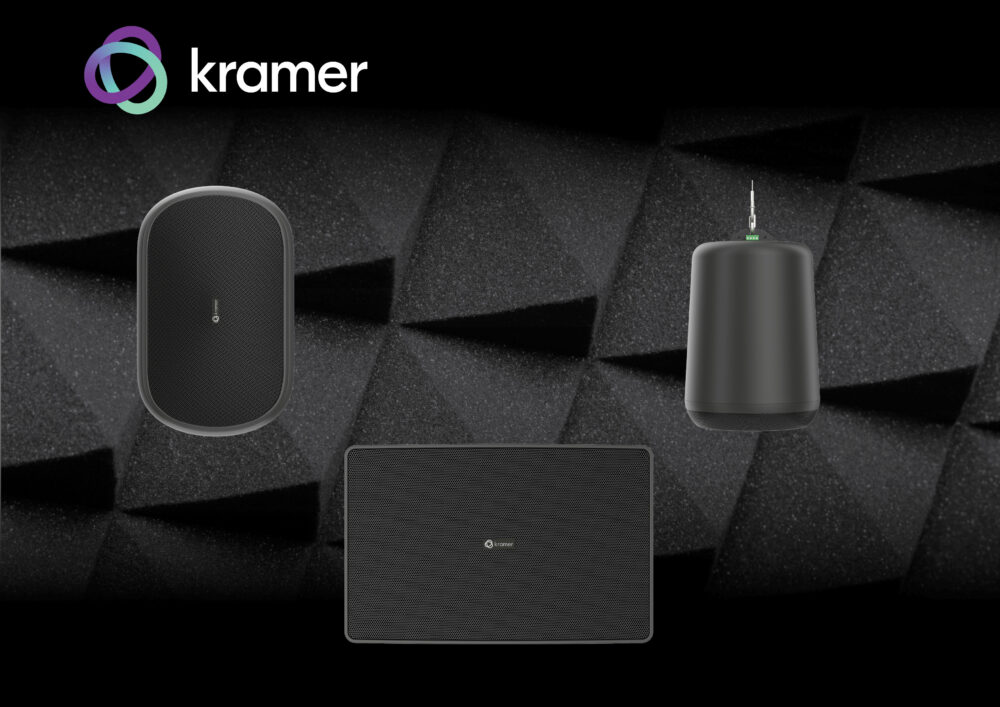
New PoE-Powered Dante Speakers: These premium POE-powered Kramer speakers, making their North American debut, deliver exceptional sound quality, sleek design and simplified installation for professional environments. They enable seamless integration into networked AV systems. Reduced installation complexity and wiring requirements make them a perfect fit for modern installations.

Learn more about Kramer’s PoE-powered Dante speakers here.

Ashton Bentley by Kramer Mounts Certified for FORTÉ VELOCITY Meeting Room Solutions: Answering the market’s call for the seamless integration of AV technology in presentation spaces, its Ashton Bentley by Kramer range of freestanding, mobile cart, floor-supported and on-wall AV mounts are now certified for use with select FORTÉ VELOCITY pre-engineered meeting solutions. This partnership will provide end-users with enhanced productivity and ease-of-use via streamlined and efficient setups for their specific collaboration needs.

Learn more about Ashton Bentley and FORTÉ VELOCITY here.

In addition, Kramer and AudioCodes will be demonstrating the KAC−CAM−70 Microsoft certified dual 4K lens PTZ video camera and the KAC-CAM-360 conference camera in Kramer’s booth. These models feature AI-powered video and audio optimization, including auto-framing, speaker tracking and advanced smart gallery for seamless coverage and exceptional meeting experiences in Microsoft Teams and huddle rooms, as well as medium-sized conference spaces.

Driving AVoIP Innovation and Advancing AV/IT Convergence
Kramer will also present the industry’s most extensive AVoIP portfolio for both 1G and 10G networks, enriched by the integration of ZeeVee’s advanced technologies. These solutions span multiple technologies including JPEG2000, SDVoE and H.264/H.265, offering unparalleled flexibility for diverse environments. By delivering an ecosystem of products that simplify the deployment, management—whether on-cloud or on-premises—and scaling of AV infrastructures, Kramer meets the dynamic demands of modern organizations.

At the heart of this innovation is the Panta Rhei platform, now deployed worldwide. Panta Rhei serves as the central hub for all AV activities, supporting the full lifecycle of setup, management, monitoring and analytics. Designed for both Kramer and non-Kramer devices, Panta Rhei exemplifies Kramer’s commitment to comprehensive AV/IT convergence.

Revolutionizing Collaboration Spaces

In the UCC domain, visitors can see the cutting-edge collaboration spaces powered by Ashton Bentley by Kramer. A global leader in integrated meeting room solutions, the brand offers a comprehensive range of products that combine technology, functionality and design. With a focus on ease of installation and seamless operation, Ashton Bentley by Kramer empowers organizations to create collaborative environments that drive success. Additionally, Kramer will feature its latest Microsoft Teams Rooms (MTR) portfolio and advanced collaboration devices, showcasing its dedication to enhancing the meeting room experience.

About Kramer

Kramer audio-visual experiences power creativity, collaboration, and engagement. From AVSM to advanced cloud-based communication, collaboration and control solutions, Kramer creates audio-visual experiences that are more engaging, more inclusive, and more connected than ever before.

Headquartered in the heart of Startup Nation – Tel Aviv, Israel with locations around the world, Kramer’s audio-visual experts are designing the future of engagement technology. Physical and digital boundaries have blurred. But no matter how hybrid our world becomes, our desire for real, human connection will never cease.

Kramer’s intuitive, seamless technology breaks down walls, bridges gaps, and makes people feel closer together even when they’re far apart.

kramerav.com  

Media Contacts: 

Doug Wright / Henry Feintuch

Feintuch Communications

(201) 952-6033 / Henry Feintuch (914) 548-6924

[email protected]

February 2, 2025

Kramer Introduces New PoE-Powered Dante Speakers and High-End Installed Audio Portfolio

(Tel Aviv, January 27th, 2025) Kramer, the leading company in audio-visual experiences, is excited to announce the launch of its new line of premium speakers. This broad portfolio includes PoE-powered Dante speakers alongside other innovative models, delivering exceptional sound quality, sleek design, and simplified installation for professional environments.

Networked Audio, Made Simple
This portfolio introduces PoE-powered Dante speakers, which enable seamless integration into networked AV systems. These soakers reduce installation complexity and wiring requirements, making them a perfect fit for modern installations. Each PoE-powered Dante speaker has a corresponding passive model with the same industrial design and sound profile, allowing system integrators to mix and match speakers while maintaining consistent sound quality and a cohesive look across installations.

“Our PoE-powered Dante speakers are not just about premium sound – they are about simplifying and enhancing the entire AV experience,” said Dorit Bitter, EVP Product & Technology at Kramer. “As part of our Panta Rhei ecosystem, these speakers deliver a complete solution for professionals looking to streamline installations and maximize performance.”

Premium Sound, Seamless Integration
Kramer’s new speaker line delivers crystal-clear audio, optimized for speech clarity and background music, making them ideal for conferencing, education, retail, and hospitality settings. With advanced sound dispersion technology, the speakers provide consistent audio coverage, eliminating “dead spots” and ensuring every note and word is heard with precision.

Designed for System Integrators
Kramer’s focus on system integrators is evident in the speakers’ sleek industrial design and intuitive software. Features like front-access wiring for ceiling speakers and centralized speaker utility software simplify installation, setup, and troubleshooting, saving time while delivering consistent, high-quality results.

Part of a Comprehensive Audio Solution
The new speakers are part of Kramer’s broader audio portfolio, which also includes DSPs and amplifiers, offering professionals a complete and integrated solution for diverse audio needs. The speaker product range features wall-mounted, ceiling, and pendant models in various form factors, designed to suit varied environments.

Live Demonstration at ISE 2025
The new premium speaker line will debut at ISE 2025, with live demonstrations available at Kramer’s booth (#3D300 in Hall 3). Product samples and bookings will open in Q1 2025, with deliveries scheduled to begin in Q2 2025.

About Kramer

Kramer audio-visual experiences power creativity, collaboration, and engagement. From AVSM to advanced cloud-based communication, collaboration and control solutions, Kramer creates audio-visual experiences that are more engaging, more inclusive, and more connected than ever before.

Headquartered in the heart of Startup Nation – Tel Aviv, Israel with locations around the world, Kramer’s audio-visual experts are designing the future of engagement technology. Physical and digital boundaries have blurred. But no matter how hybrid our world becomes, our desire for real, human connection will never cease.

Kramer’s intuitive, seamless technology breaks down walls, bridges gaps, and makes people feel closer together even when they’re far apart.

Contact details 

Bees Buzz Public Relations Ltd (44) 1728 768118
beesbuzzpr.com

Quote Icon
Kramer’s products are working well and are easy to use. The client is very happy with the end result.”
Mika Lausamo, Sales & AV, Frendy

Background

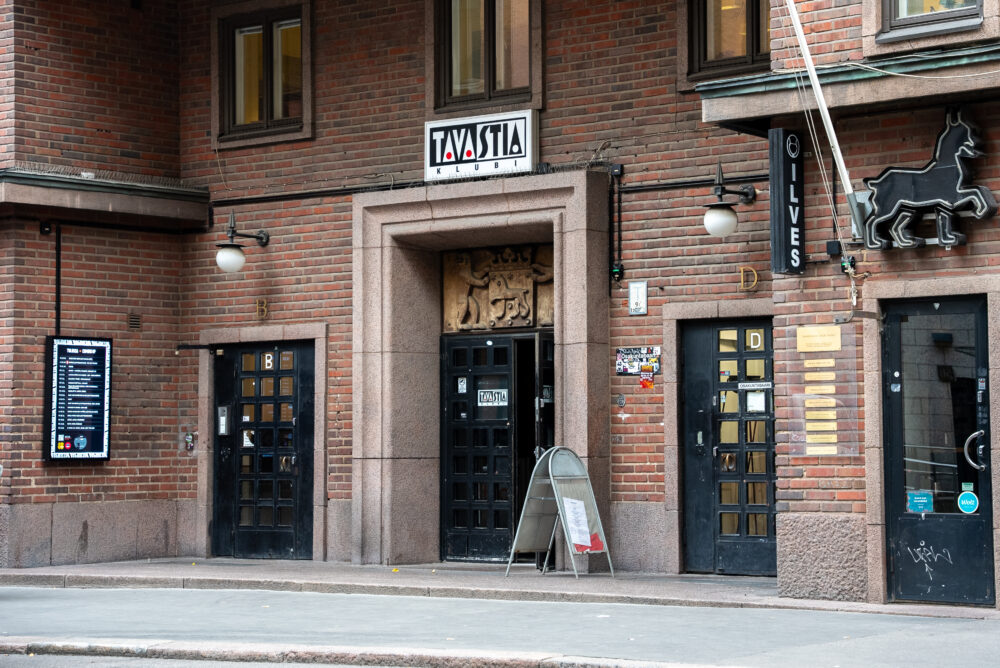
Tavastia Live Club, Finland’s most famous rock club, faced significant challenges with its audio-visual setup due to outdated technology and inefficient processes.

Consisting of 3 bars, a backstage area, an outdoor area, and a tech room, the venue’s initial situation revealed a reliance on over decade-old television, characterized by thick bezels and low picture quality. The video signals, transmitted through analog cabling, originated either from a single PC or directly from the concert hall’s equipment.

This old system supported only PowerPoint 2003 for displaying advertisements, making updating the content manually very time-consuming. Moreover, the system could not support video content and could only switch between advertisements or live stage footage.

This setup posed significant challenges, especially for clients who wished to display their own advertisements or present material from personal computers, as there was no capability to accommodate such needs. Overall, the venue’s AV system was in dire need of an overhaul to meet modern standards and enhance users’ and visitors’ experience.

Goals

The requirements for the new AV system were clearly outlined to future-proof the venue’s technological capabilities. These goals were crafted to transform Tavastia’s AV capabilities into a flexible, efficient, and future-oriented system that enhances operational efficiency and customer satisfaction.

The goals included:

  1. Ensure the new system supports a wide range of multimedia formats to accommodate all types of content advertisers wish to display.
  2. Introduce a multi-output system that simultaneously displays varied content across different screens, catering to diverse needs during events.
  3. Allow for quick and effortless updates of advertisements and promotional content, ideally through automated or remote updating capabilities.
  4. The interface needed to be intuitive and easy to operate, allowing staff with basic technical skills to manage the system effectively without extensive training.
  5. Build a system with scalability in mind, allowing for easy upgrades and expansions as new technologies emerge and the venue evolves.

Solution

To meet the ambitious goals of upgrading the AV system at Tavastia, the integrator, Frendy, developed a comprehensive solution encompassing hardware and software improvements that were tailored to the venue’s needs.

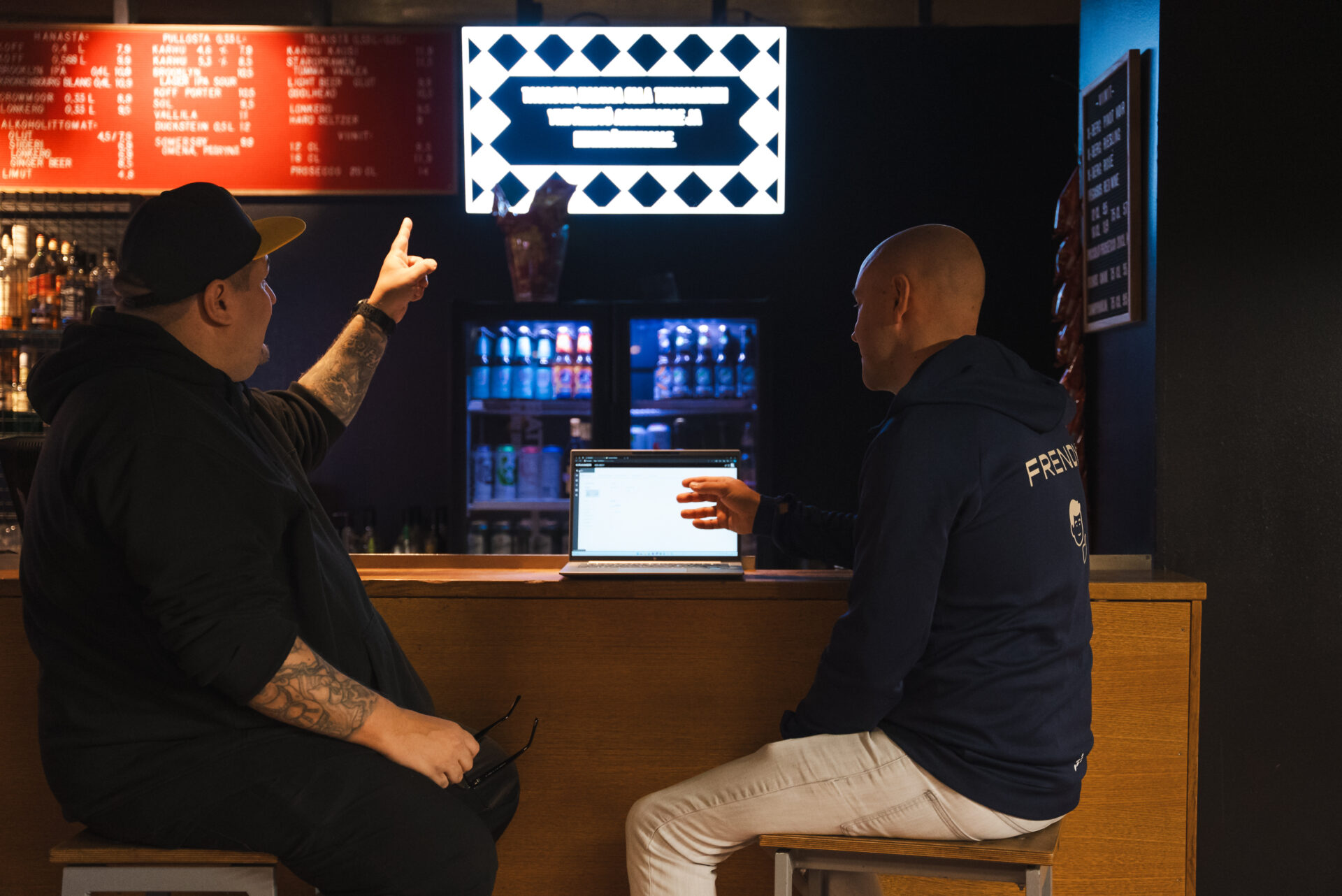
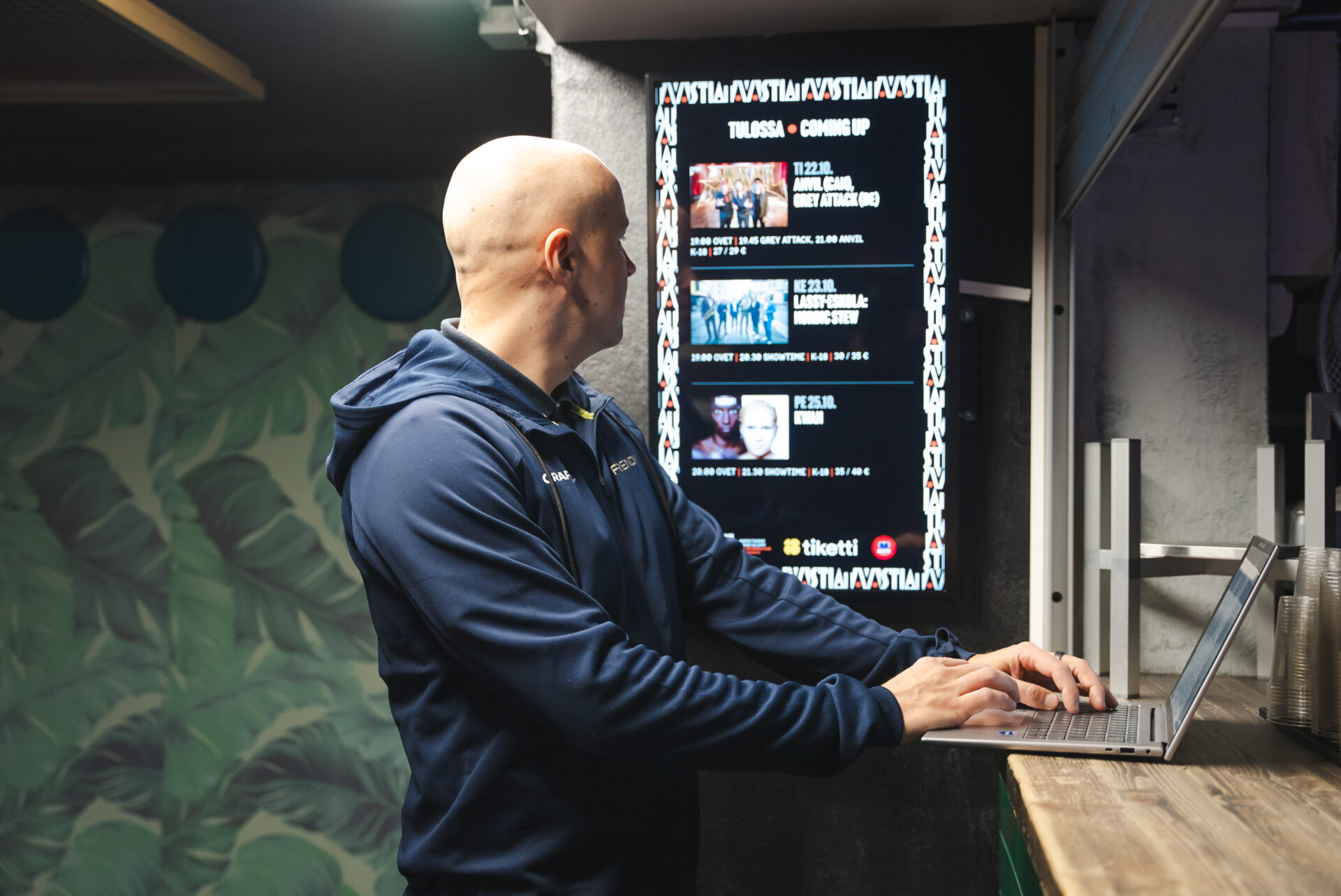
The system was equipped with multiple KDS-EN7 transmitters and KDS-DEC7 receivers, allowing for the simultaneous display of different content on various screens. AVoIP technology is the perfect match to modernize the AV needs of Tavastia Live Club; this flexibility was essential for catering to the diverse needs of different events and presentations at the venue.

A user-friendly Kramer Control RC-206 device with multiple buttons, each programmed for different functions, was introduced to simplify operations. This setup enabled staff to easily change content, adjust settings, and control the system with minimal training. With just one press, staff could change the displayed content to communicate important messages swiftly and clearly to guests.

To complete the upgrade, Frendy installed modern high-definition displays with minimal bezels, connected through a virtual matrix system that utilized the local network for signal transmission, ensuring high-quality and reliable video signals throughout the venue.

“We upgraded Tavastia with high-quality LG information displays and SmartSign’s user-friendly content management system, complemented by Kramer’s solutions for effortless signal transfer,” says Mika Lausamo, Sales & AV at Frendy.

Value

These improvements have led to significantly better customer experience, enabling clients to display their advertisements seamlessly and enhancing their engagement and satisfaction during events.

Designed to be user-friendly, the new system allows staff with basic technical skills to easily manage and operate the AV equipment, reducing the need for extensive training. In addition, the system’s ability to simultaneously display different content on various screens has enhanced the venue’s capability to cater to diverse event requirements and audience preferences.

Quote Icon
“If Tavastia wishes to bring in more displays in the future – it’s easy to do so with Kramer’s products and solutions.
Mika Lausamo, Sales & AV, Frendy

Tags:

Hospitality

AVoIP Solutions

Control

EMEA

Finland

Quote Icon
The combination of Kramer’s AVoIP, Kramer Control, or Kramer VIA with other AV system components is easy to integrate and implement.”
Łukasz Trojanowski, Modulit Solutions Polska

Background

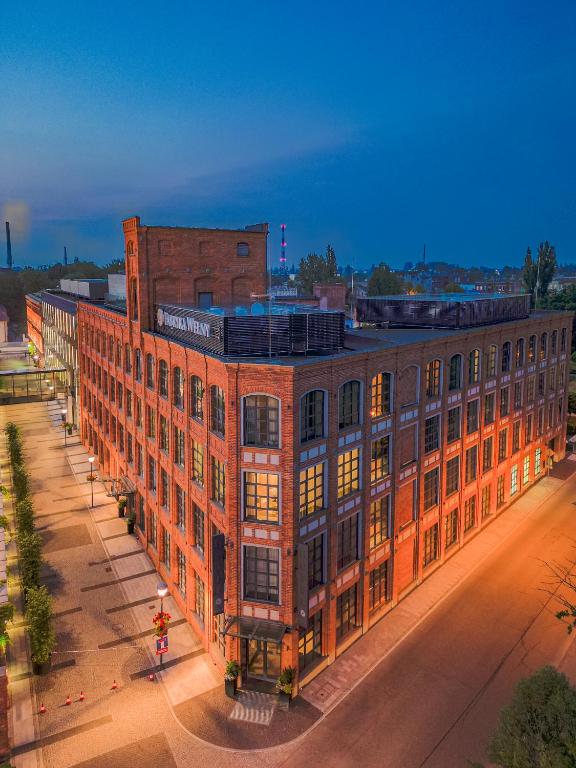
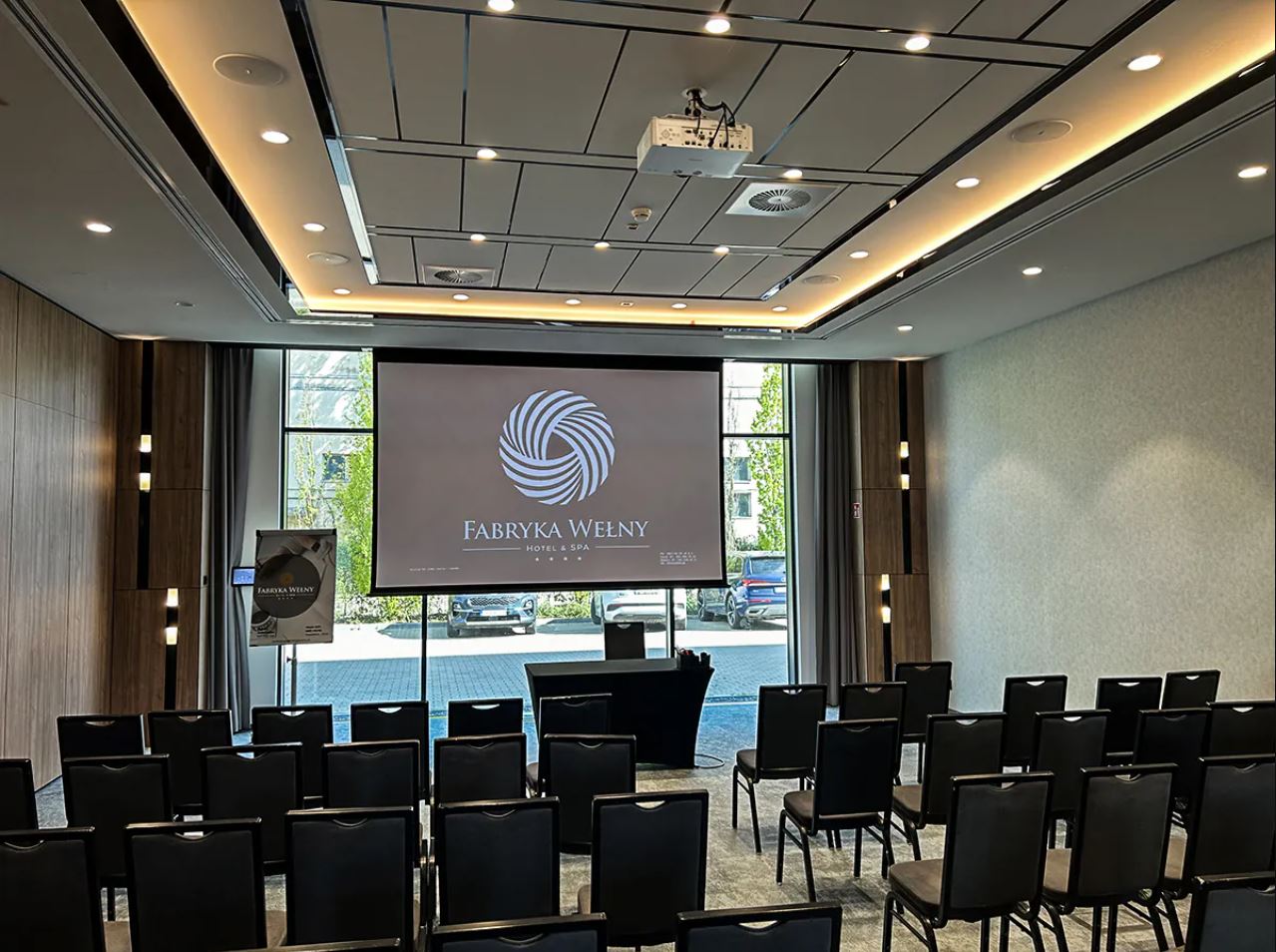
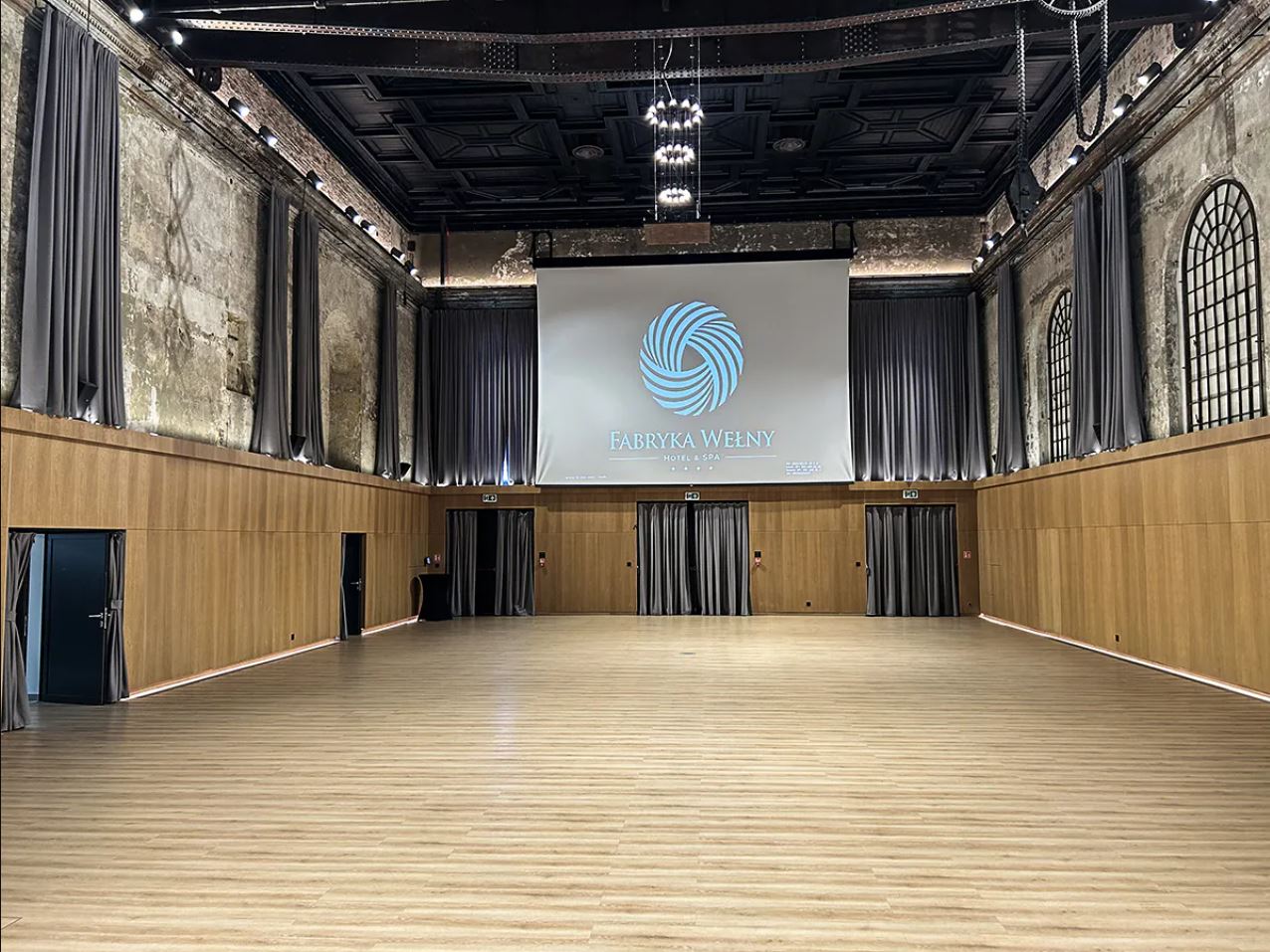
Fabryka Wełny Hotel & Spa is a stylish and modern hotel located in the heart of Poland, not far from Łódź. It was built on the grounds of a former industrial factory, one of the region’s largest and most modern factories. The industrial atmosphere of the building has been preserved in the hotel and is reminiscent of the past. The hotel offers 122 unique, comfortable rooms, including nine conference rooms, a ballroom, a wedding hall, and a philharmonic hall.

Goals

The customer commissioned an implementation of an intuitive control system. The project also required a solution for transmitting an audio-visual signal from one room to the conference rooms and the philharmonic hall, regardless of the distance or when the signal needs to be duplicated, driven, or reformatted. The conference rooms also required a collaboration system that would be intuitive to use for end users.

Solution

The integration company, Modulit Solutions Polska, participated as a partner from the very beginning of the implementation as its expertise lies both in the supply of audio-visual signal distribution solutions and in design and consultation within this area.

Modulit Solutions Polska chose Kramer’s solutions for Control, KDS-7 for AVoIP (with Kramer’s USB-C cables), and VIA GO2 for conference room collaboration. Few manufacturers worldwide offer such a broad portfolio of solutions in Signal Management and AV signal processing, and Kramer is one of them. Kramer’s extensive range of AV signal extenders, including AVoIP solutions, offers extraordinary flexibility in managing AV signal transmission.

Due to the existing conditions of multiple rooms, the possibility of quick connection and splitting, and the client’s expectations (automation and simple operation), we decided to implement the most optimal solution for AV content management, i.e. Kramer’s AVoIP technology. AVoIP also means flexibility in the event of future changes, especially when it comes to adding more terminals, whether they be signal sources or displays. – explains Łukasz Trojanowski of Modulit Solutions Polska.

After implementation, the hotel’s AVoIP system took full advantage of Kramer’s technology by allowing simple point-to-point AV transmission (i.e., from one transmitter to one receiver), as well as one-to-many or one-to-all. 

Alongside this system, Kramer Control has been implemented. Its function is to help the end users conduct lectures, training, and presentations efficiently. It also allows control of the presentation and the projection screen and even allows set automation: at the push of a button, the window blinds lower, the projection screen comes down, the lighting scene changes, and the projector starts up, ready to take a cue from the user’s device.

The combination of Kramer’s AVoIP, Kramer Control, and Kramer VIA with other AV system components is easy to integrate and implement.”, says Łukasz.

Quote Icon
“We are particularly pleased to see the project’s success – because a successful project is one where all parties are happy. Fabryka Wełny in Łódź is exactly such a project.
Łukasz Trojanowski, Modulit Solutions Polska

Value

The users and venue staff are pleased with the simplicity of the distribution system, the control system configuration, and Kramer VIA. As Łukasz Trojanowski of Modulit Solutions Polska explains it:

“Both users and venue staff appreciate the automation running in the background and the ability to simply change system settings from the touch panel. An addition that has also received excellent feedback is Kramer’s VIA, allowing a user who wants to show something on the big screen to connect wirelessly to the display system – a projector or screen. Whether from an iPhone, Android, Windows laptop, or MacBook, it simply works without cables (although there is also an option for traditionalists) and without USB dongles that ‘like to disappear.’ Positive feedback also comes from our partner – MKM Display. The combination of Kramer’s AVoIP, Kramer Control, and Kramer VIA with other AV system components is easy to integrate and implement. And we are particularly pleased to see this – because a successful project is one where all parties are happy. Fabryka Wełny in Łódź is exactly such a project.” says Łukasz.

Tags:

Hospitality

AVoIP Solutions

Collaboration Applications

Connectivity

Room Control

EMEA

Poland

Quote Icon
I highly recommend Kramer’s system and would not use anything else.”
Andrew Culph, Venue Manager at the Bli Bli Hotel

Background

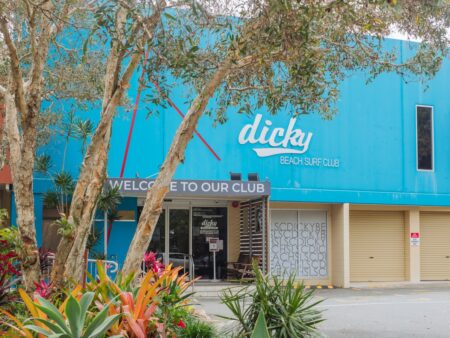
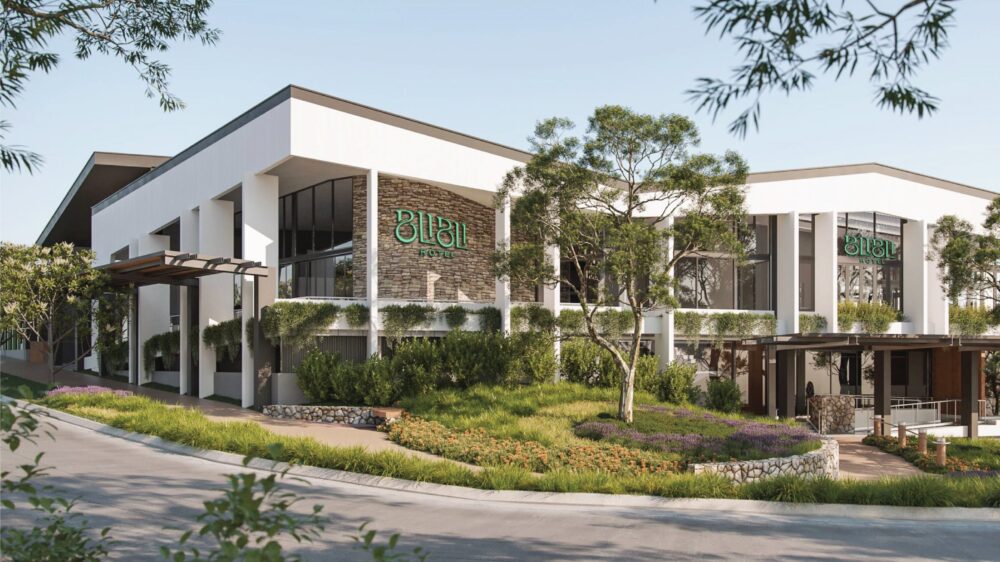
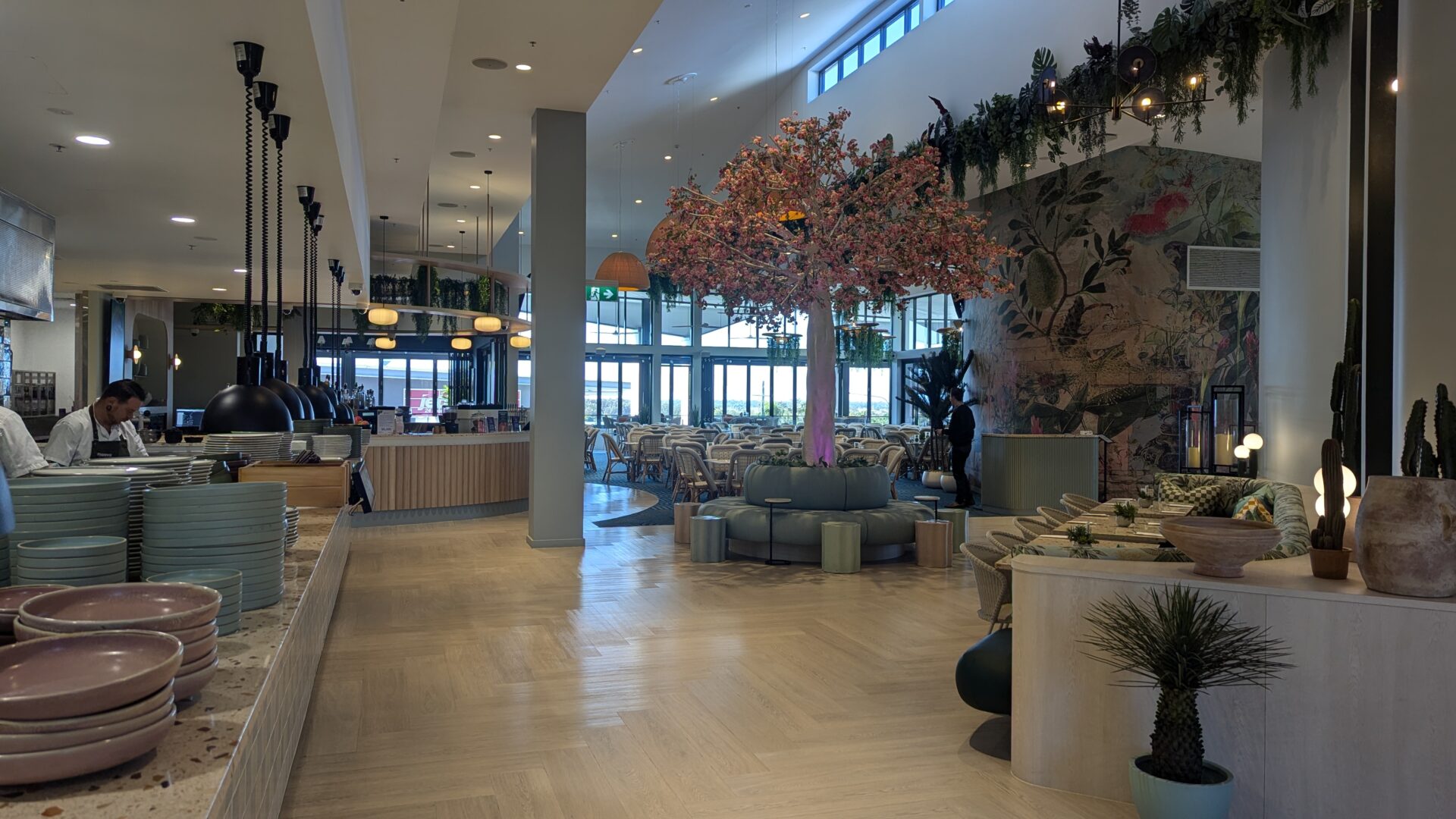
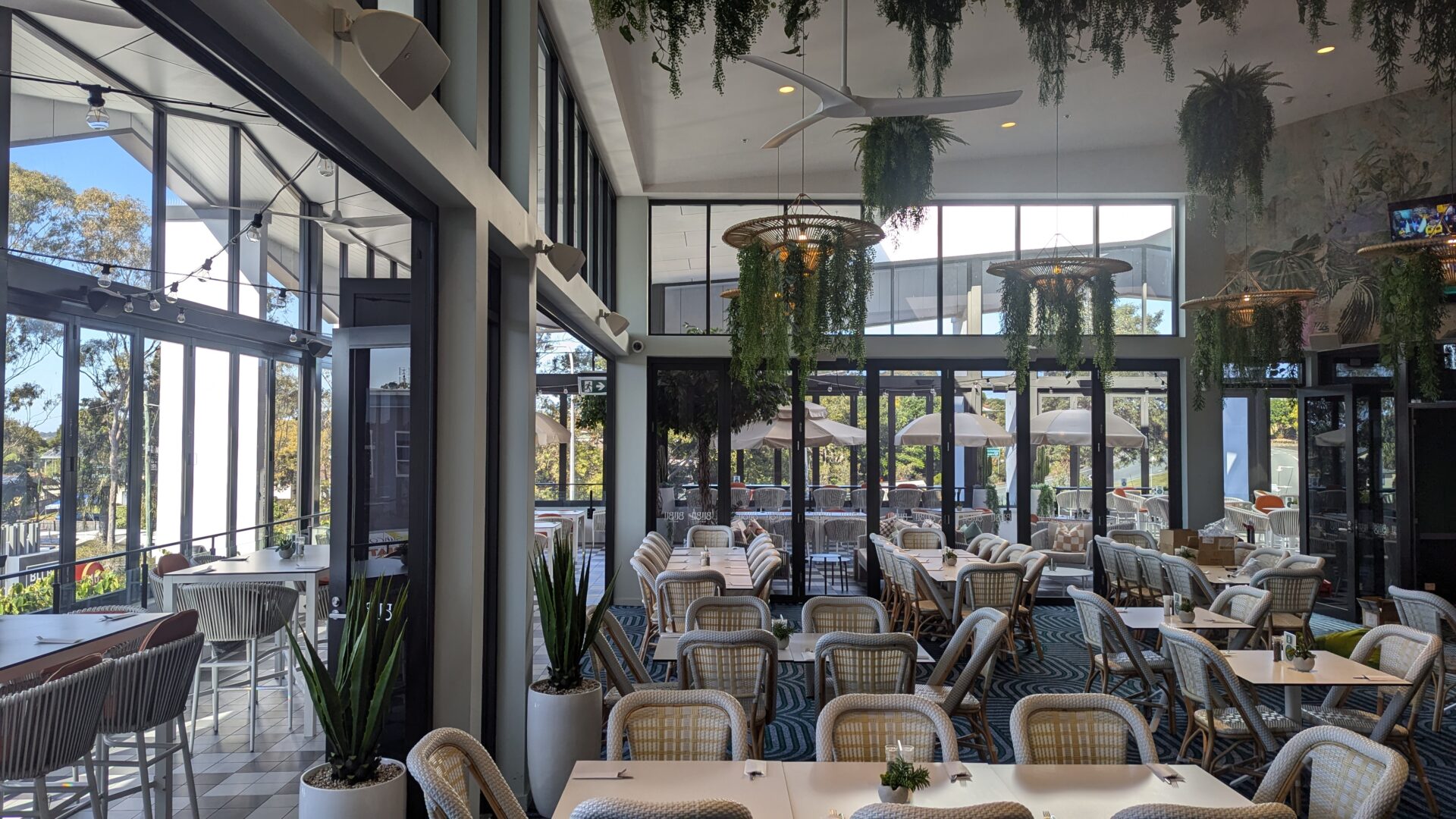
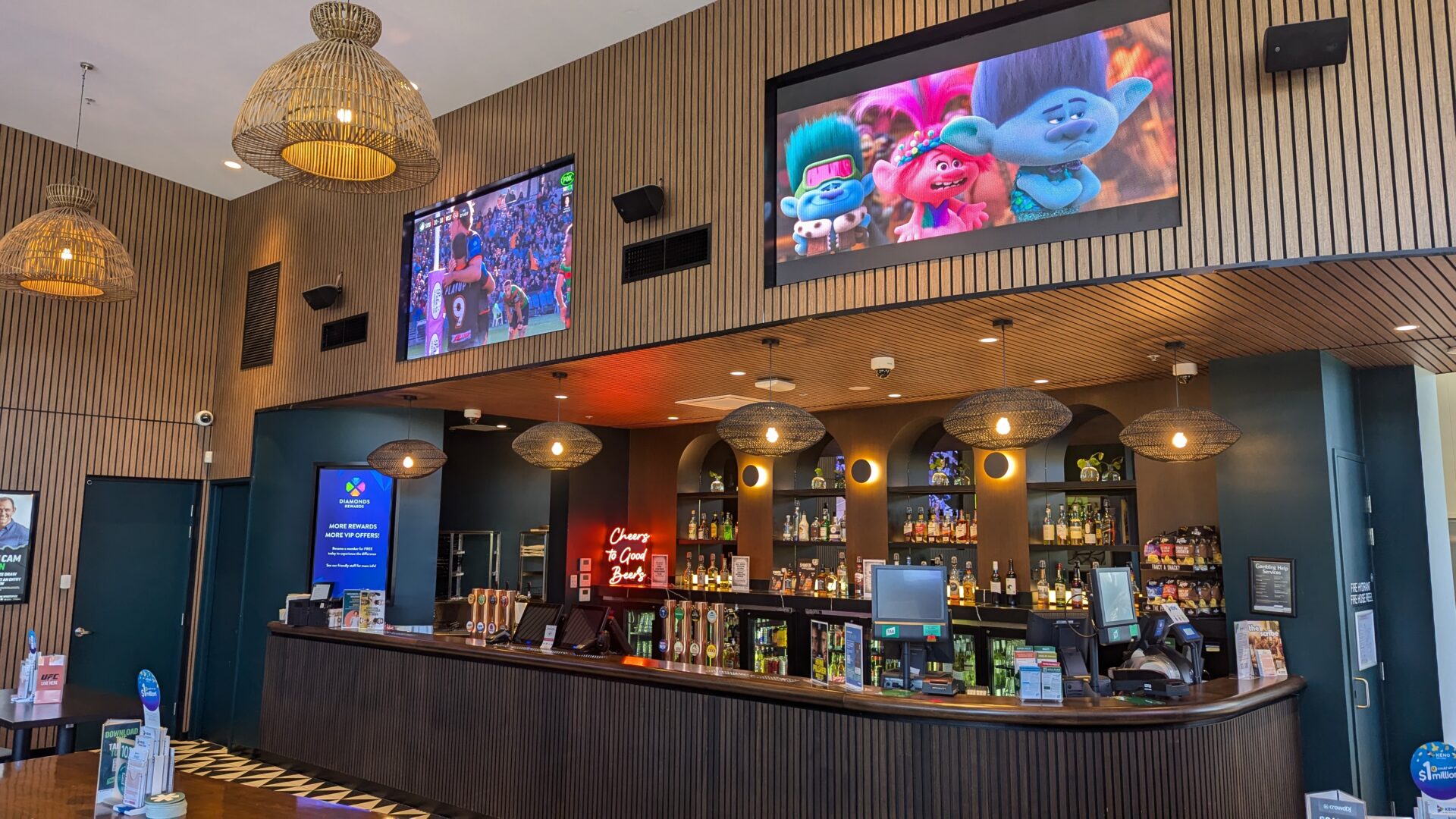
Bli Bli Hotel is an award-winning three-level modern bistro and bar with a Mediterranean-inspired rooftop terrace and a lush tropical garden-style events space, located in Queensland, Australia.

Goals

The main goal of the project was to create an easy-to-use AV system interface that could be accessed on any PC, Tablet, or phone on the network.

The system requirements were to design a system that was simple to use, easy to manage, and flexibly operated. That is why Kramer’s AVoIP solution was chosen.

Solution

Powered by Kramer Control, the tablets, computers, and laptops on the network easily interact with essential hardware using a simple interface, developed and installed by the integrator Glen Trebilco from Digital Vision Direct, with support from AVA Distribution’s range of brands and solutions.

Video switching and distribution were done with Kramer AVoIP KDS-7 video encoders and KDS-7 decoders, deployed for their easy wiring and switching of any source to any display. The Kramer Control integration and input/output of the encoders and decoders provide a level of flexibility and management for the integrator and end user.

In addition, products from Yamaha Commercial Audio DSP, Elite Screen flush mount motorized projector screen, Panasonic laser installation projector, TCL displays, Atdec Brackets, and S-Track culminated into an AV system synonymous with the venue’s vision, which has become a testament to how simple and hassle-free it is to deploy Kramer’s AVoIP systems.

Quote Icon
The ability to manage the entire venue’s AV requirements from any one of our tablets, laptops, or desktops, gives each area full control of a specific space while allowing for mobile adjustments on the go.
Andrew Culph, Venue Manager at the Bli Bli Hotel

Value

Bli Bli Hotel is an example of a vision highlighted and supported by an AV solution. Andrew Culph, Venue Manager at Bli Bli Hotel was more than impressed with the Kramer Control system: We love Kramer at the Bli Bli Hotel. Its accessibility and versatility perfectly suit our venue. The ability to manage the entire venue’s AV requirements from any one of our tablets, laptops, or desktops, gives each area full control of a specific space while allowing for mobile adjustments on the go. I highly recommend the system and would not use anything else,” says Andrew.

Quote Icon
“We love Kramer at the Bli Bli Hotel. Its accessibility and versatility perfectly suit our venue.
Andrew Culph, Venue Manager at the Bli Bli Hotel

Tags:

Hospitality

AVoIP Solutions

Collaboration Applications

Control

Signal Management

APAC

Australia

February 8, 2022

Kramer launches new Collaboration Devices

Kramer Enriches it end-to-end solutions for Education and Enterprise

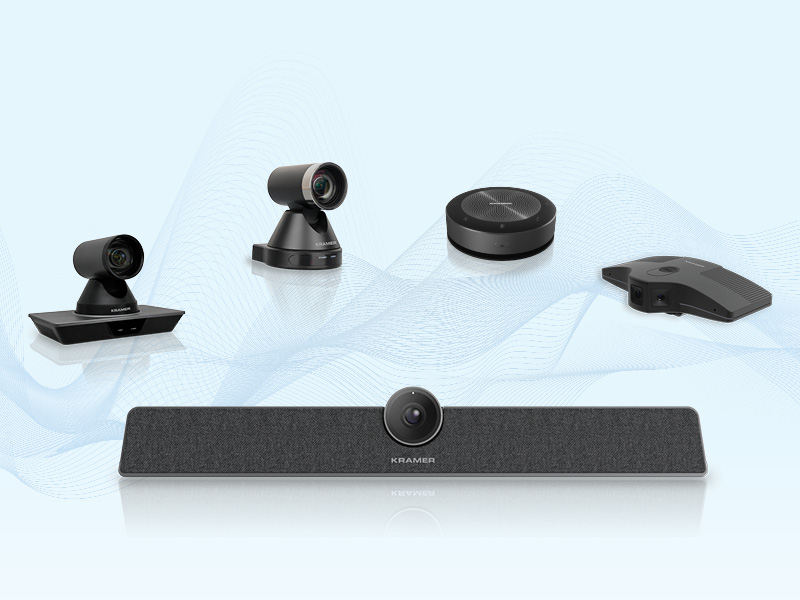
Jerusalem, Israel, February 8, 2022 – Kramer Electronics Ltd. is pleased to announce the release of its new Kramer Collaboration Devices, the latest addition to its end-to-end Pro AV solutions for Enterprise and Education applications. The new product line, which includes advanced cameras, a communication bar, and a speakerphone, offers outstanding AV quality, flexibility, and simplicity.

Kramer’s complete solutions for Enterprise meeting spaces, schools, and universities meet customers’ needs for complete, integrated solutions from a single, trusted partner that provides certified solutions, market-leading warranties, and end-to-end support, all under one roof. Offering simple setup and seamless use, it is agnostic to all UC applications and supports multiple conferencing platforms.

Kramer Collaboration Devices are designed for varied spaces from small huddle rooms up to large boardrooms, classrooms, and auditoriums. They ensure all participants, whether in the room or connecting remotely, consistently enjoy superb interactions, with immersive audio and video experience. With Kramer Collaboration Devices, all participants can see and be seen as well as hear and be heard clearly – enabling meaningful and effective collaboration.

An integral part of Kramer end-to-end solutions for Enterprise and Education applications, Kramer Collaboration Devices are fast and simple to deploy. They can easily be combined with Kramer’s in-room A/V signal management and control products for a complete collaborative, hybrid experience.

“With workplace norms and needs changing across business and education markets, our end-to-end solutions are building the foundation for truly inclusive hybrid interaction spaces,” says Gilad Yron, Kramer’s CEO. “The addition of the new line of Kramer Collaboration Devices is the latest step towards this vision, helping ensure engaging experiences for all participants and successfully bridging the gap between in-person and remote interactions.”

The new Kramer Collaboration Devices product line includes:

K-Speak – A compact speakerphone with 360° omnidirectional audio pickup that enhances the audio experience for everyone. Perfect for any room size where additional audio coverage is needed.

K-Bar – An all-in-one video and audio communication bar that allows participants to quickly start collaborating. Ideal for small to mid-sized spaces where an all-in-one device saves space and cable clutter.

K-180Mini – A smart, 4K wall-mount panoramic camera with integrated microphone, that captures clear video across a full 180° field of view. Designed for small rooms and huddle rooms.

K-CamHD – A professional HD PTZ camera for versatile video capture that ensures a clear view of all meeting attendees, with special attention wherever needed. Ideal for varied spaces and use cases, ranging from medium sized rooms up to board rooms, classrooms and auditoriums.

K-Cam4K – An ultra-HD PTZ camera for premium-clarity video in large spaces that puts every meeting in sharp focus, with crystal-clear, ultra-high-definition video capture. Supports the most advanced and challenging setups in large meeting rooms and educational spaces.

Contact details

Ornit Sade-Benkin
VP Marketing
Kramer Electronics Ltd.
[email protected]

Tags:

Education

Enterprise

Hospitality

Collaboration Devices